
Tunisian Lifestyle
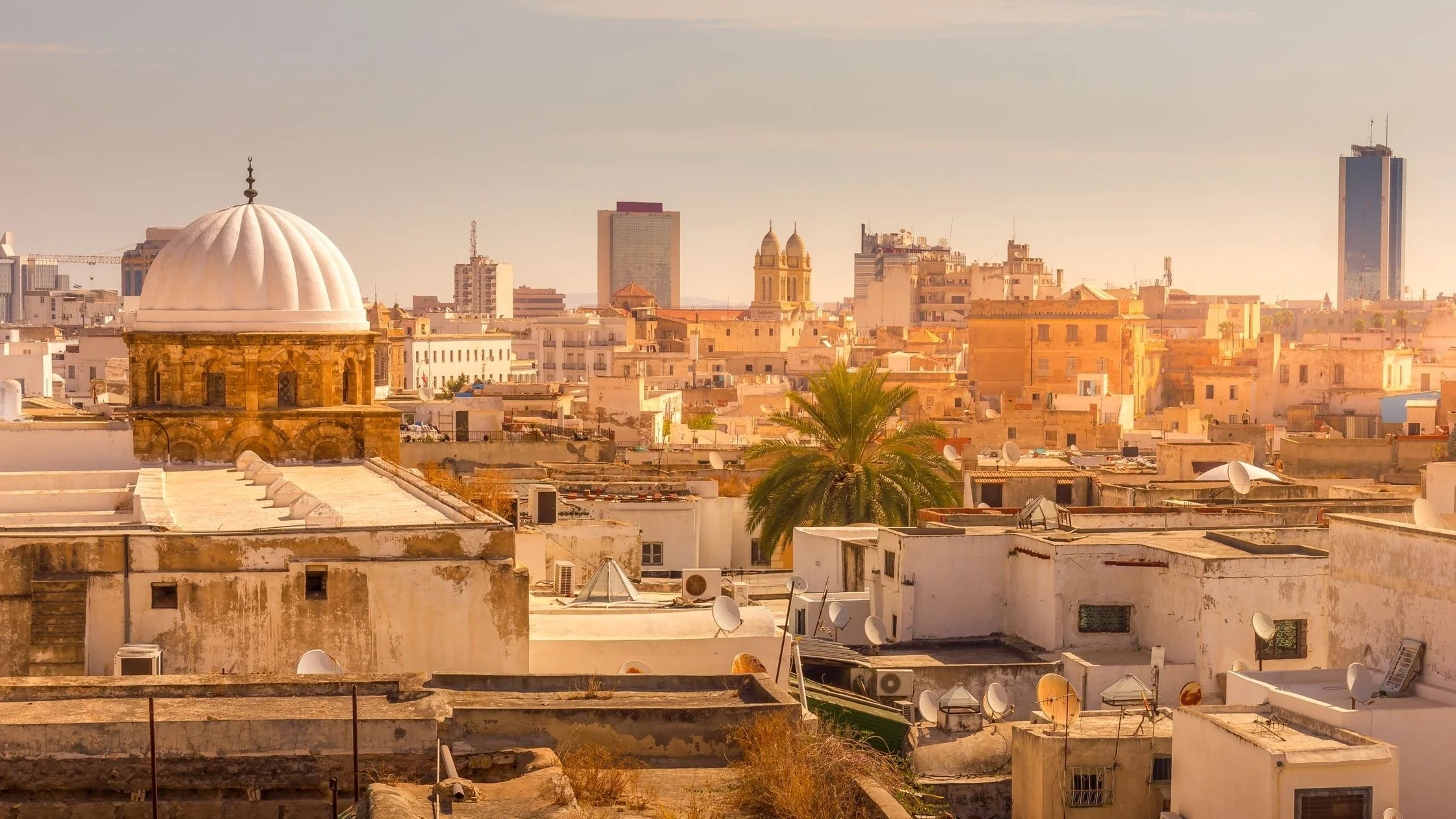
Tunisia has a diverse and unique mix of cultures, where ancient Punic, Roman, and Islamic heritages blend with French and Italian influences to produce one beautiful way of life. The indigenous people of this area are the Amazigh (Berbers), whose deep roots form the foundation of the country's identity. Tunisians speak a unique, melodic dialect of Arabic known as Derja, which is heavily peppered with French and Italian words.
Tunisians just love their celebrations, especially during the long summer months when the country comes alive. Major events that bring Tunisians together include vibrant international cultural festivals hosted in breathtaking historic settings, such as the International Festival of Carthage and the International Festival of Hammamet, which feature music, theater, and dance under the stars. The International Festival of the Sahara in Douz also offers an unforgettable immersion into nomadic desert traditions. These gatherings give opportunities for international visitors to interact with and immerse themselves in the different cultures that make Tunisia such a rich, welcoming country.
Exploring What It Means To Find Inspiration From Tunisia
Widely celebrated for its sun-drenched coastlines and ancient history, Tunisia boasts an identity that is uniquely its own. But the allure of Tunisia does not depend only on its archaeological treasures or white-sand beaches. It is a harmonious blend of factors. Tunisian populations have unique conditions which, when combined, shape what is known as the Tunisian lifestyle.
Traditions, customs, design, coastal landscapes, and a deeply rooted history are all part of the combination that makes life in Tunisia so special, relaxed, and enviable.
Traditions and Customs
Anyone who lives it or has lived it closely will understand that the Tunisian lifestyle centers around warmth and human connection. In Tunisia, life is intensely social, lived in the company of family and neighbors. You just have to look at the vibrant street terrasses, the lively conversations echoing through the ancient Medinas, or families strolling together along the coastal corniches at dusk to see this beautifully played out.
Outdoor and Coastal Life
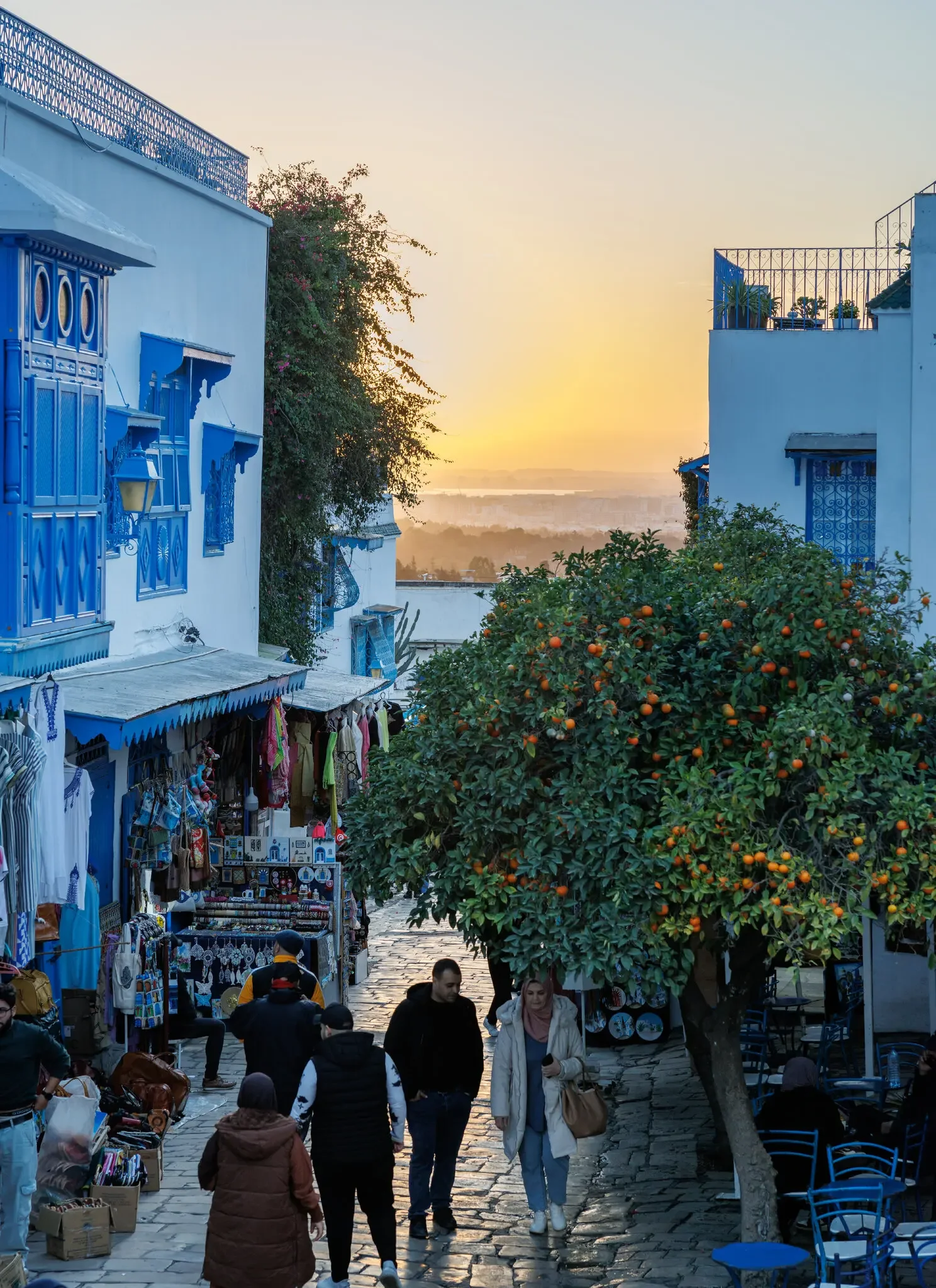
Walking through the blue-and-white clifftops of Sidi Bou Said, lounging by the turquoise waters of Djerba, or enjoying an evening breeze on an open terrace—in Tunisia, there is an exceptional Mediterranean climate and it is fully embraced. Life is lived outdoors practically the whole year round. The sea plays a major role, weaving a maritime history of ancient fishing arts into a modern canvas of sailing, water sports, and relaxed coastal living.
The Siesta (La Siesta / El Qaylulah)
It is a concept, more than just a moment to sleep. In Tunisia, particularly during the intense heat of the summer months, the day is split cleanly into two parts—the morning and the evening—with a transition of approximately two to three hours in the afternoon. Whether used to rest at home or to step away from the sun, what is clear is that you don't want to be working or out in the heat during these hours. It is pure ancient wisdom to take shelter in the cool shade when the sun is pressing.
The Café Culture
An extension of the outdoor lifestyle, the daily ritual of the café is central to Tunisian downtime. Sidewalk terraces are filled with locals enjoying the slow passing of time over a tiny cup of strong Express (espresso) or a glass of traditional sweet green mint tea—artfully topped with floating pine nuts or almonds. It is a masterclass in slow living and community connection.
Tunisian Food: Spice and Sea
The Tunisian diet is a vibrant, bold chapter of Mediterranean cuisine. While it embraces the healthy staples of olive oil, fresh seafood, sun-ripened tomatoes, and wild herbs, it stands out for its love of heat. Central to almost every meal is Harissa—a fiery, sun-dried chili paste blended with garlic and spices. From communal platters of savory fish couscous to crispy Brik pastries fried to perfection, eating well, eating fresh, and eating together is a non-negotiable part of the daily routine.
Tunisia, besides being a brilliant Mediterranean jewel, is more than a destination. It is a distinct lifestyle. A way of living.
Expanding on the Costero Home template, we can dive deeper into the specific cultural details, artisan heritage, and architectural canvas that define the Tunisian lifestyle profile.
The Tunisian Lifestyle Profile: An In-Depth Look
The Architectural Canvas: The Art of the "Dar"
To truly understand the privacy and peace inherent to the Tunisian lifestyle, one must look at the layout of a traditional private mansion, known as a Dar.
Unlike Western homes with exterior-facing windows and expansive front lawns, the traditional Tunisian home turns inward. From the street, the Dar presents a modest, almost secretive facade—characterized by a heavy, intricately carved wooden door framed by geometric stone arches. Once inside, the home opens up into a central courtyard (patio).
The Central Courtyard: The undisputed heart of the home. Open to the blue Mediterranean sky, it is flanked by arcaded galleries of horseshoe arches. It acts as a natural air conditioner, drawing hot air up and out, keeping the inner rooms beautifully cool.
The Living Space Layout: Rooms are arranged in a cross or T-shape around the courtyard. Life happens here: morning coffees, children playing, and late-night family dinners under the stars. It is an architectural philosophy that values private family intimacy above public display.
Textures and Textiles: The Handcrafted Home
A relaxed yet refined interior style defines the Tunisian home, heavily relying on ancient artisan crafts that have been passed down through generations.
Foutas as Home Decor: The Fouta—a traditional, lightweight cotton or linen cloth originally used in the Hammam—has transitioned seamlessly into modern Tunisian lifestyle design. Woven with delicate stripes and finished with hand-knotted fringes, they are used everywhere: as summer throws over linen sofas, casual tablecloths, or lightweight beach towels.
The Margoum and Kilim Rugs: Floor spaces are anchored by authentic, hand-woven wool rugs. While Moroccan rugs are famous for their shaggy, abstract tribal look, Tunisian Margoum rugs are meticulously flat-woven on vertical looms, characterized by precise geometric diamond shapes and Berber protective symbols. In local tradition, these rugs are not just floor coverings; they are artistic tapestries said to bring prosperity and ward off negative energy.
The Blue and White Palette: The iconic aesthetic of places like Sidi Bou Said—stark whitewashed walls contrasted against a specific, brilliant shade of sky blue—is highly intentional. The white reflects the blinding North African sun, while the blue is traditionally believed to repel mosquitoes and invoke the calming presence of the Mediterranean Sea.
The Social Rhythms of "El Qaylulah" (The Siesta)
The afternoon siesta is not just a lazy break; it is an organized, seasonal restructuring of society known as Séance Unique (Single Session) during the peak summer months.
Government offices, banks, and many local shops shift their hours entirely—working straight through from 7:00 AM to 1:30 PM. By 2:00 PM, the streets fall quiet. The entire country retreats indoors to escape the oppressive midday heat, rest, and eat a long family lunch.
Life restarts gracefully around 5:00 PM. The air cools down, the shutters open, and the second half of the day begins. This evening rebirth is when the lifestyle truly shines, with vibrant seaside walks, late-night cafe visits, and socializing that effortlessly stretches past midnight.
The Communal Culinary Ritual
Tunisian cuisine is a masterclass in slow food and communal gathering. Food is rarely portioned out onto individual plates; instead, it is an experience of proximity.
The Sharing Table: A large, hand-painted ceramic platter is placed in the exact center of a low table. The family gathers around, using pieces of crusty traditional bread to scoop up food, always ensuring they eat strictly from the section directly in front of them out of respect for others.
The Artisan Ceramics: The table itself is a visual feast of hand-painted pottery, primarily coming from the historic pottery village of Nabeul. Deep blues, emerald greens, and vibrant yellows dominate the glazed plates, tagine bowls, and serving platters, turning a casual family lunch into a showcase of local artistry.
The Heat of Harissa: True Tunisian lifestyle embraces a fiery culinary passion. Unlike other North African countries, Tunisians use Harissa as a foundation. Made from red peppers dried slowly in the sun, ground with garlic, caraway, and coriander, and preserved in olive oil, it represents the bold, unpretentious spirit of the local culture.
In the end, the Tunisian lifestyle teaches a beautiful lesson in balance. It shows us how to design homes that protect our inner peace, how to celebrate the community through shared food, and how to respect the natural rhythms of the sun—all while keeping one foot firmly planted in a rich, historical past.